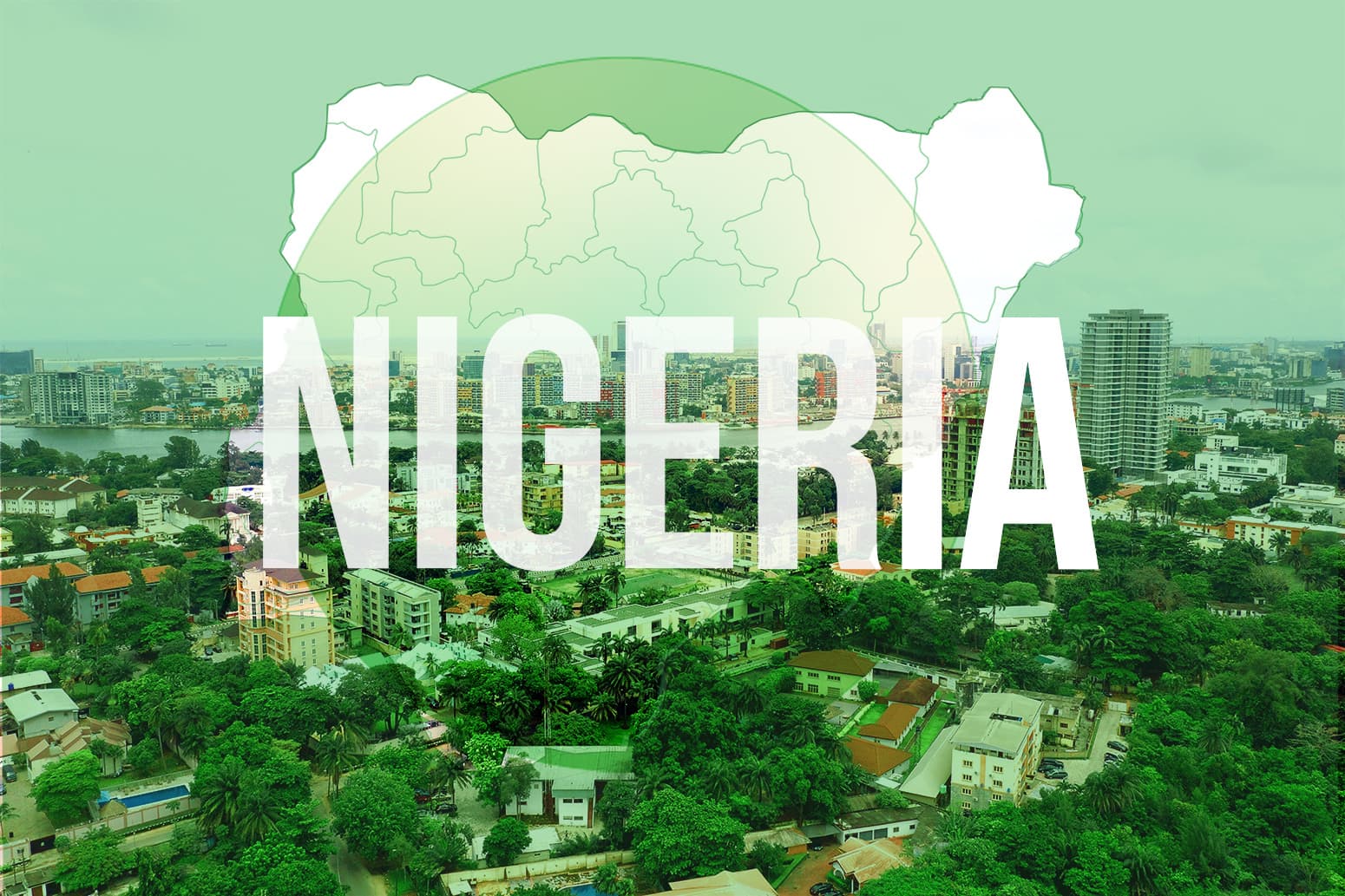
Abuja travel guide — the other Nigeria
Calmer. Planned. Modern. Abuja is the Nigeria that surprises everyone, wide boulevards, green hills, and a pace of life that actually lets you breathe. Here's your complete guide to Nigeria's capital.
people live in Abuja. Nigeria's purpose-built capital since 1991. A city designed from scratch, surrounded by dramatic rock formations.
Abuja at a glance
Abuja vs Lagos: quick breakdown
They're two completely different cities. Here's what to expect.
Our take: If this is your first trip to Nigeria and you want an easier landing, start with Abuja. If you want the full Nigerian experience from day one, go straight to Lagos. Read our Lagos guide.
Best neighborhoods in Abuja
Abuja is spread out. Where you stay matters for access, safety, and budget.
Wuse
RecommendedThe commercial heart of Abuja. Wuse has the best mix of restaurants, shops, markets, and nightlife in the city. Wuse 2 specifically is where most visitors end up, it has the energy Abuja is otherwise missing. Walkable during the day, well-lit at night.
Maitama
Abuja's most prestigious neighborhood. Embassies, diplomats, tree-lined streets, and the best hotels in the city. It's calm, spacious, and safe. If money isn't the issue, stay here. Walking distance to Wuse for when you want action.
Asokoro
Where the president lives. Asokoro is heavily secured, quiet, and exclusive. Great hotels, limited nightlife. You're paying for the security and space. Good base if you have meetings with government or international organizations.
Garki
The original Abuja before the city expanded. Garki Area 1 and Area 11 have decent budget hotels and local restaurants. Less polished than Wuse or Maitama but more affordable and still safe. Good if you're visiting government ministries.
Jabi
RecommendedGrowing fast with modern developments, Jabi Lake Mall, and the lakefront. Good Airbnb options, newer restaurants, and a more relaxed feel than central Abuja. The lake area is pleasant for walks. Slightly further from the center but worth it for families.
Where to stay in Abuja
Abuja hotels offer better value than Lagos. Here are our picks by area.
Transcorp Hilton Abuja
Maitama
The best hotel in Abuja. Period. Pool, gym, multiple restaurants, and the location is unbeatable. Where diplomats and business travelers stay.
Sheraton Abuja
Central area
Solid international standard. Great pool area, central location, reliable service. Slightly cheaper than the Hilton with comparable quality.
BON Hotel Abuja
Wuse
Best mid-range option. Modern rooms, good restaurant, right in the heart of Wuse 2. Excellent value for money.
De Carat Hotel
Wuse 2
Popular with Nigerian business travelers. Clean, well-located, affordable. Nothing fancy but everything works.
Airbnb in Jabi/Wuse
Various
For longer stays, Airbnb apartments in Jabi and Wuse offer the best value. Full kitchen, more space, and a taste of local life.
Getting around Abuja
Abuja is spread out with limited public transport. Here's what works.
Uber & Bolt: the move
RecommendedBoth apps work well in Abuja. Rides are cheap ($1-5 for most trips within the city). More reliable than Lagos, shorter wait times, less traffic. You need data (eSIM) to use them. Our top recommendation.
Hire a car with driver
RecommendedFor day trips to Zuma Rock or exploring multiple areas, hiring a driver (₦15,000-30,000/day) makes sense. Book through your hotel or use Discover Cars for self-drive. Roads in Abuja are good, it's one of the few Nigerian cities where driving yourself is feasible.
Taxis: negotiate first
Abuja taxis don't use meters. Always agree on a price before getting in. From airport to city center: ₦5,000-8,000. Within the city: ₦1,000-3,000. Uber/Bolt is almost always cheaper and safer.
No real public transport
Unlike Lagos, Abuja doesn't have a BRT system or reliable bus network. A few minibuses run popular routes, but they're not practical for visitors. Stick to ride-hailing apps.
Best things to do in Abuja
Aso Rock
The 400-meter monolith that gives Abuja its identity. You can't climb it (presidential villa at the base) but the views from surrounding hills are stunning. Best photo spot in Abuja.
National Mosque & National Church
Two of Nigeria's most impressive buildings, deliberately placed side by side. The mosque is one of the largest in West Africa. Both welcome visitors, dress modestly.
Jabi Lake
Boat rides, jet skiing, lakeside restaurants, and Jabi Lake Mall right next door. The closest thing Abuja has to a chill weekend hangout. Best on Saturday afternoons.
Millennium Park
Abuja's largest public park, designed by Italian architects. Manicured gardens, jogging paths, and genuinely peaceful. Free entry. Go early morning or late afternoon to avoid the heat.
Arts & Crafts Village
Huge open-air market for Nigerian art, crafts, textiles, and souvenirs. Better prices than Lagos markets, less aggressive haggling. Great for gifts and authentic pieces.
Zuma Rock
The 'Gateway to Abuja'. a massive 725-meter monolith on the Abuja-Kaduna highway. The face-like formation is surreal. Worth a day trip, combine with Gurara Falls if you have time.
Where to eat in Abuja
Abuja's food scene is underrated. Heavy on Northern Nigerian cuisine with solid international options.
Wakkis
Best Indian-Nigerian fusion. Wuse 2. Local favorite for decades
Jabi Lake Mall food court
Variety of options. KFC, Domino's, local spots. Easy and reliable
Bukka Hut
Authentic Nigerian food. Amala, Jollof, Egusi. Multiple locations
Blues Restaurant
Fine dining with a Nigerian twist. Maitama. Great for special occasions
Suya spots along Wuse 2
Street suya from 9pm onwards. Best beef suya in Nigeria. Abuja's northern influence
Nkoyo
Modern Nigerian cuisine at Transcorp Hilton. Worth the splurge
Pro tip:Abuja's northern Nigerian cuisine, suya, kilishi (dried spiced meat), and masa (rice cakes). is some of the best in the country. Don't just stick to restaurants you recognize.
Safety in Abuja
Abuja is generally safer than Lagos, but you still need to be smart.
Stick to Wuse, Maitama, Asokoro, Garki, and Jabi, these central districts are well-secured
Avoid the outskirts and satellite towns (Nyanya, Kuje, Suleja) especially at night
Use Uber/Bolt for all transport, agree on taxi fares before getting in if you must
Keep phone and valuables out of sight in traffic, same as any Nigerian city
Abuja shuts down earlier than Lagos, most areas are quiet by 11pm
Use a VPN on all WiFi, hotel networks are not encrypted
Get travel insurance. Nigerian hospitals require upfront payment, even in Abuja
Abuja budget breakdown
Abuja is slightly cheaper than Lagos across the board. Here's what to budget per day.
Money tips for Abuja
- ATMs are reliable in central areas. Zenith, GTBank, and Access Bank have the best ATMs
- Carry cash for markets and small vendors, cards accepted at hotels and malls
- Use Wise or Revolut for the best exchange rate, avoid bureau de change at the airport
Abuja travel essentials
Sort these out before your trip, not at Nnamdi Azikiwe airport.
Cheapest flights to Abuja
No direct flights from London/NYC, connect via Lagos, Addis Ababa, or Accra. Jetcost compares all routes and airlines in one search. Domestic Lagos-Abuja flights from ₦40,000 ($27).
Search Flights to AbujaeSIM: data from landing
You need data for Uber/Bolt in Abuja. Airalo eSIM from $4.50, installs before you land, works on MTN Nigeria (best network in Abuja).
Best eSIM for NigeriaVPN: essential for Nigeria
X/Twitter is blocked in Nigeria. Hotel WiFi is unencrypted. NordVPN from $2.99/month keeps you connected and secure.
Best VPN for NigeriaTravel insurance: don't skip it
Even Abuja hospitals require upfront payment. SafetyWing from $42/month covers emergency evacuation and medical expenses across Nigeria.
Compare InsuranceCar rental: worth it in Abuja
Abuja's roads are good and driving is feasible (unlike Lagos). A car gives you freedom for day trips to Zuma Rock and beyond. Compare rates on Discover Cars.
Car Rental GuideAbuja Travel: FAQ
Is Abuja worth visiting?+
How far is Abuja from Lagos?+
Is Abuja safe for tourists?+
What is the best time to visit Abuja?+
How many days do I need in Abuja?+
Do I need a visa for Abuja?+
Is Abuja expensive?+
Can I fly directly to Abuja from London or New York?+
Book your flight to Nigeria's capital
Wide boulevards, dramatic rock formations, incredible northern cuisine, and a calmer side of Nigeria most visitors never see. Search Jetcost for the cheapest fares to Abuja.
This page contains affiliate links. We may earn a commission at no extra cost to you. Full disclosure